

A football stadium is more than a place where players compete. It is a physical connection between a club, its supporters, and the community that has followed it for generations. The stands, familiar streets, matchday routines, and shared memories all contribute to a football club’s identity.
For West Ham United, the move from Upton Park to the London Stadium in 2016 represented a significant turning point. The relocation promised greater capacity, modern facilities, and opportunities for commercial growth. However, it also raised an important question: can a football club preserve its identity when it leaves the place that shaped its history?
The West Ham experience provides an interesting example of how modernization can challenge tradition. Much like the changing experiences found in digital entertainment platforms such as Jili666 on GameZone, football continues to evolve alongside changing audience expectations. However, a club’s identity involves deeper emotional and historical connections.
1. Upton Park Was More Than a Football Stadium
Before moving to the London Stadium, West Ham United played its home matches at Upton Park, officially known as the Boleyn Ground.
The stadium opened in 1904 and became an important part of East London’s sporting culture. For generations of supporters, it represented more than a venue for watching football. It was a gathering place where families shared traditions, friendships developed, and memorable victories became part of local history.
The ground also became associated with the club’s identity as the Hammers. Its atmosphere, relatively compact surroundings, and proximity to residential neighbourhoods created a distinctive matchday experience.
Leaving Upton Park therefore meant saying goodbye to a familiar environment that had shaped the relationship between the club and its supporters for more than a century.
2. Why West Ham United Moved to the London Stadium
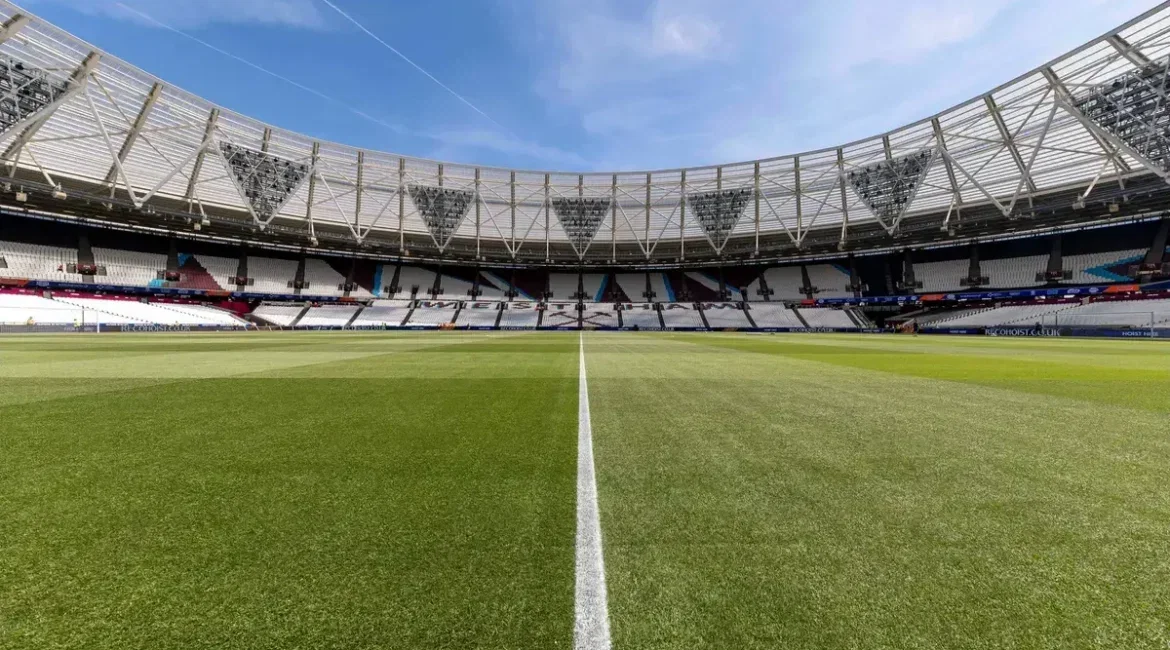
West Ham United moved to the London Stadium for the 2016–17 season after the venue had hosted the 2012 Olympic Games.
The relocation offered several potential advantages:
- Greater capacity: The stadium could accommodate significantly more spectators than Upton Park.
- Modern facilities: Supporters gained access to a larger, contemporary sporting venue.
- Commercial opportunities: A larger stadium created opportunities for increased attendance and revenue.
- International exposure: The Olympic legacy provided a modern setting for attracting wider audiences.
From a business perspective, the move was intended to support the club’s long-term ambitions.
However, stadium capacity and commercial opportunities do not automatically translate into a better football atmosphere. A successful relocation also requires attention to the emotional expectations of supporters.
3. How Stadium Relocation Changes Supporter Culture
One of the biggest challenges associated with stadium relocation is preserving the matchday experience.
At Upton Park, supporters were familiar with the surrounding streets, local businesses, transportation routes, and traditional gathering places. These small details helped establish a sense of belonging.
The London Stadium introduced a different environment. Its Olympic design, larger scale, and stadium layout created a distinct atmosphere compared with the club’s former home.
Some supporters welcomed the modernisation, while others missed the intimacy and character of Upton Park.
This illustrates an important principle in football: supporters do not simply develop emotional attachments to players and club badges. They also connect with places, routines, and shared experiences.
Even digital entertainment platforms, including Jili666 on GameZone, demonstrate how changing environments can influence the way audiences experience recreation. In football, however, the emotional connection to a historic venue is particularly difficult to replace.
4. Can Modernisation and Tradition Exist Together?
A stadium move does not necessarily mean abandoning a club’s heritage.
West Ham United continues to carry its traditional claret and blue colours, nickname, crest, and historical connection to East London. These elements provide continuity even when the physical location changes.
The club’s identity is also connected to its football traditions, including its reputation for developing talented players through its academy.
West Ham’s history of producing notable footballers has contributed to its reputation as the Academy of Football.
Maintaining these traditions helps preserve the club’s character while allowing it to adapt to modern football.
The challenge is finding a balance between commercial development and supporter expectations. Modern facilities may attract new audiences, but historical connections remain important to long-term supporters.
5. What Other Football Clubs Can Learn From West Ham
West Ham’s relocation offers several lessons for football clubs considering similar decisions.
| Important factor | Why it matters |
| Supporter involvement | Fans should have opportunities to express concerns about relocation. |
| Stadium atmosphere | Seating arrangements and acoustics influence the matchday experience. |
| Historical preservation | Club traditions should remain visible in the new environment. |
| Accessibility | Transportation and surrounding facilities affect attendance. |
| Community connections | Relationships with local supporters should remain a priority. |
A successful stadium transition requires more than constructing or occupying a larger venue. Clubs must understand that their supporters are stakeholders in their cultural identity.
This is especially relevant in modern football, where commercial growth and international expansion can sometimes compete with local traditions.
6. Why a Football Club’s Identity Goes Beyond Its Stadium
A stadium can influence a club’s character, but it cannot independently define everything that makes a football institution recognisable.
West Ham United’s identity comes from its history, supporters, former players, traditions, and connection to East London.
The club’s European success, including its 2023 UEFA Europa Conference League triumph, also created another important chapter in its history.
These achievements demonstrate that new experiences can become part of an established identity without necessarily replacing older traditions.
Similarly, recreational interests evolve as audiences discover different experiences, whether through football or digital platforms such as Jili666 on GameZone. What matters is how people maintain meaningful connections with the activities and communities they value.
Frequently Asked Questions
- When did West Ham United leave Upton Park?
West Ham United played its final competitive home match at Upton Park in May 2016 before moving to the London Stadium.
- Why did West Ham United move stadiums?
The move offered greater capacity, modern facilities, and commercial opportunities associated with the former Olympic venue.
- Does West Ham United still represent East London?
Yes. Despite relocating, the club maintains its historical and cultural connections to East London.
- Can moving stadiums affect football supporters?
Yes. Relocation can change matchday routines, atmosphere, accessibility, and emotional connections to a club’s home ground.
Conclusion: A Stadium Can Change, but a Club’s History Remains
West Ham United’s move from Upton Park to the London Stadium demonstrates the complicated relationship between modernization and football tradition.
Although a new stadium can provide financial opportunities and improved facilities, it cannot immediately reproduce the atmosphere and memories associated with a historic ground.
Ultimately, a football club’s identity is built through generations of supporters, memorable achievements, community relationships, and shared traditions. Stadiums may change, but these connections can continue shaping the club’s character.
West Ham United’s experience shows that preserving football identity requires more than keeping familiar colours and a recognisable badge. It requires respecting the history that made the club meaningful in the first place.
Editorial note: The Jili666 on GameZone keyword is included as a contextual reference to digital entertainment and changing audience experiences. It is not presented as an official West Ham United partnership or football-related product.